For classic and racing car owners, a windshield is more than a transparent barrier. It is a structural component that plays a direct role in occupant protection and vehicle stability. In a front-end collision, the windshield can contribute up to 45% of the cabin’s structural support, and in a rollover, as much as 60 percent.
That level of responsibility allows little compromise. Visibility, fit, and material behavior impact a car's performance under stress, particularly in high-speed or high-load situations. For vintage restorations and racing, selecting the wrong windshield can cause distortion, installation stress, and durability issues not present in the original design.
Selecting the best car windshield starts with understanding what it is made from, how it behaves, and where it will be used.
Key Takeaways:
The best car windshield is defined by material choice, fit accuracy, and how the vehicle is actually used.
Laminated glass, acrylic, and polycarbonate each serve different needs across street, classic, and racing applications.
Visibility, geometry, and strength form the core criteria for evaluating windshield performance.
OEM and aftermarket windshields often fall short for classic, vintage, and racing vehicles due to tolerance limits.
Custom-fabricated windshields offer accurate fit and material control for specialty and performance-focused projects.
Car Windshield Materials: Glass vs Acrylic vs Polycarbonate
Before comparing performance or fit, it is necessary to understand what a windshield is made of. Different materials behave very differently under impact, vibration, heat, and long-term use. These differences become especially clear when comparing modern road cars with classic and racing vehicles.
Here is a clear breakdown of the three primary windshield materials.
Feature | Laminated Glass (Safety Glass) | Polycarbonate (Lexan / Makrolon) | Acrylic (Plexiglass / Perspex) |
Composition | Two glass sheets bonded with a polyvinyl butyral interlayer | Thermoplastic polymer with carbonate groups | Transparent thermoplastic homopolymer (PMMA) |
Impact behavior | Cracks while the interlayer holds fragments together | Does not shatter and absorbs heavy impacts | Can crack or break into large pieces |
Scratch resistance | High resistance to wiper wear and road debris | Low without surface coatings | Moderate |
Weight | Heaviest option | About 50 percent lighter than glass | Lighter than glass |
UV and weather exposure | Stable over long periods | Can yellow without UV protection | Naturally resists UV exposure |
Typical use | Standard street vehicles | Racing, motorsports, and impact-prone use | Vintage restorations and specialty builds |
Material alone does not determine quality; performance depends on how that material supports visibility, geometry, and structural behavior together.
Also Read: Mastering Automotive Plastic Injection Molding: A Complete Industry Guide
The Three Pillars of a High-Performance Car Windshield
After defining materials, the distinctions between average and premium windshields become evident. High-quality windshields depend on three core performance pillars, which are crucial for street cars, classic restorations, and racing vehicles, especially as speed, stress, and precision requirements increase.
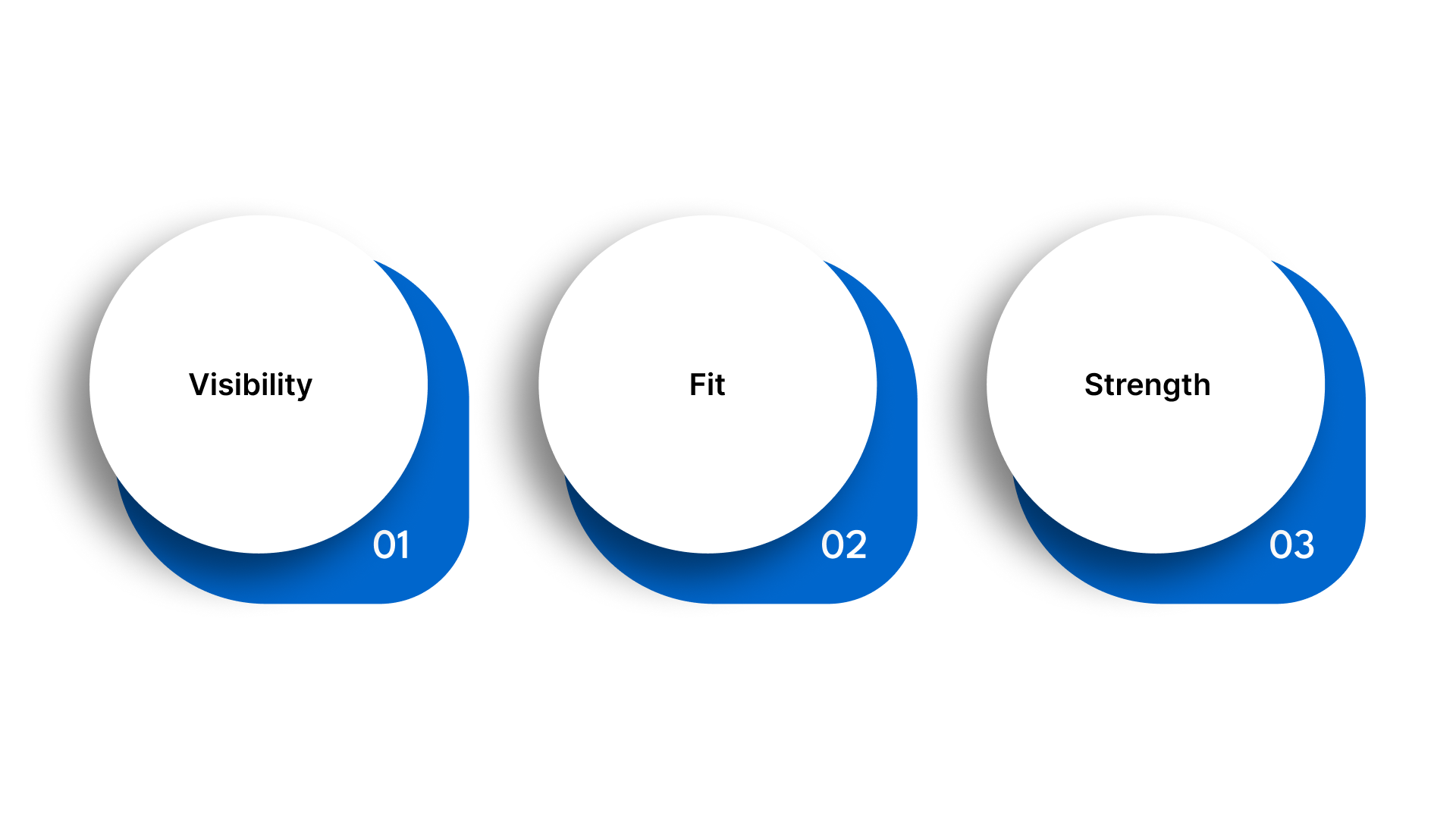
Here are the three pillars that define windshield performance.
Visibility
Optical clarity is not simply about transparency. A performance windshield must maintain consistent curvature and surface quality across its entire area. Distortion, waviness, or uneven thickness can affect depth perception and focus, especially during high-speed driving or long stints behind the wheel.
Fit
Correct geometry determines how the windshield interacts with the vehicle body. Accurate curvature and edge profiles allow the windshield to seat naturally in the opening without force. Poor fit introduces stress during installation and use, increasing the risk of cracking, leaks, or long-term fatigue.
Strength
A windshield must behave predictably under load to meet US impact, retention, and fragmentation safety requirements. Material choice and thickness control influence how the windshield responds to impact, vibration, and chassis flex. In performance and racing vehicles, this behavior supports cabin stability while resisting damage over time.
Understanding performance principles makes it easier to see why some windshield options meet these standards while others consistently fall short.
OEM vs Aftermarket vs Custom Car Windshields
With the performance pillars clearly defined, differences between OEM, aftermarket, and custom windshields become easier to evaluate. Each category serves a purpose, but its limitations become clear when applied to classic, vintage, or racing vehicles.
OEM windshields
Designed for mass-produced vehicles, OEM windshields are built to factory tooling and must comply with the US Department of Transportation and FMVSS glazing requirements. They work well for current production models but offer no flexibility when parts are discontinued, body panels have changed, or original tooling no longer exists.
Aftermarket windshields
Aftermarket parts aim for broad compatibility rather than an exact match. Small deviations in curvature or thickness are common, which can affect installation, sealing, and visual consistency. These issues are often minor on daily drivers but become more noticeable on older or performance-focused cars.
Custom windshields
Custom fabrication addresses fit, material choice, and geometry as a single system. This approach allows the windshield to be made for a specific body opening, driving condition, and material requirement, which is why it is often chosen for classic restorations, racing cars, and specialty builds.
The right windshield choice becomes clearer when you consider how different vehicles place very different demands on materials and construction.
How to Choose the Best Car Windshield by Application
Windshield selection is driven by how the vehicle is used, not by a single universal standard. A material or construction method that works well in one context may create compromises in another. Matching the windshield to the vehicle’s purpose helps avoid unnecessary trade-offs.
Application | Recommended Material | Primary Benefit | Main Trade-off |
Daily-driven road cars | Laminated glass | Proven impact behavior and long service life | Added weight |
Classic and vintage restorations | Acrylic | Period-accurate appearance and clear optics | Surface care |
Historic racing automobiles | Acrylic or polycarbonate | Reduced mass and accurate shaping | Maintenance needs |
Modern racing cars | Polycarbonate | High impact tolerance with low weight | Surface wear |
Track day vehicles | Polycarbonate or laminated glass | Balance of strength and clarity | Rule limitations |
Custom or prototype vehicles | Acrylic or polycarbonate | Flexibility in shape and thickness | Longer lead times |
When vehicle requirements move beyond standard use cases, factory and replacement windshields often stop meeting practical expectations.
Also Read: Lexan or Plexiglass: Ultimate Windshield Material Guide
Why Custom Windshields Are Ideal for Racing and Vintage Automobiles
Once application requirements move beyond factory norms, standard windshield options begin to fall short. Racing cars and vintage automobiles often feature body shapes, mounting methods, and performance expectations that were never intended to work with modern mass-produced glass.
Here is where custom fabrication becomes the most practical solution.
Exact geometry matched to the body: Custom windshields are formed to the specific curvature and opening of the vehicle, reducing installation stress and preserving original body lines on older or race-specific chassis.
Material selection based on use: Acrylic and polycarbonate can be chosen intentionally to meet weight targets, impact exposure, and period accuracy rather than forcing a single material across all builds.
Consistent optical quality: Controlled forming processes help maintain uniform thickness and surface quality, which supports clear visibility during extended driving or racing sessions.
Support for discontinued and rare vehicles: Custom fabrication makes reproduction possible when original parts no longer exist, allowing restorations and historic race cars to remain functional without compromise.
With the options clearly defined, you can now evaluate your project using a structured approach rather than broad assumptions.
If you are restoring, racing, or maintaining a specialty vehicle, contact Aircraft Windshield Company to discuss custom windshield solutions tailored to your specific application.
A Practical Checklist for Choosing the Best Car Windshield
With materials, performance priorities, and application defined, the final step is making a clear decision based on the vehicle itself. For classic and racing projects, the goal is to avoid general assumptions and focus on fit, function, and long-term behavior.
Use this checklist to guide the selection process.
Define how the vehicle will be used: Street driving, track use, historic racing, and display each place different demands on a windshield. Clarifying this early prevents material or fit choices that work against the vehicle’s purpose.
Confirm material suitability: Select laminated glass, acrylic, or polycarbonate based on impact exposure, weight goals, and surface durability needs.
Verify geometry and fit requirements: Ensure the windshield matches the body opening and curvature to reduce installation stress and long-term fatigue.
Review rules and compliance needs: Review US road legality requirements, such as DOT and FMVSS 205, or confirm race class glazing rules where applicable.
Set optical expectations: Consider how surface quality, distortion, and glare may affect visibility during extended use or competition.
Plan for maintenance and care: Some materials require specific cleaning methods or coatings to maintain clarity over time.
This approach keeps the decision grounded in the vehicle’s actual demands rather than convenience or availability.
Conclusion
Choosing the best car windshield comes down to material, fit, and purpose. For classic and vintage racing automobiles, accuracy and predictable behavior matter as much as safety. When a windshield matches the vehicle and its use, performance, and longevity follow naturally.
If your project involves a rare model, a racing application, or a classic restoration, expert guidance can save time and avoid costly compromises. Contact Aircraft Windshield Company to discuss custom-fabricated windshield options or request a quote tailored to your vehicle.
FAQs
Which brand of windshield glass is best?
There is no single best brand across all vehicles. For specialty, classic, or racing cars, quality depends more on material control, forming accuracy, and consistency than on brand name alone. Many branded windshields are produced for mass market fit, which may not suit rare or performance-focused vehicles.
What cars have the strongest windshields?
Vehicles designed for off-road use, heavy-duty service, or motorsport often feature windshields chosen for impact behavior and structural contribution rather than comfort. Strength is determined by material type, thickness, and mounting method rather than the vehicle model itself.
Are there different quality levels of windshields?
Yes. Windshields vary widely in optical consistency, material grade, thickness control, and forming accuracy. Differences may not be obvious at first glance, but they can affect visibility, installation stress, and long-term durability once the vehicle is driven.
Can a windshield affect driver fatigue on long drives or track sessions?
Yes. Visual distortion, glare, and uneven curvature can strain the eyes over time. A windshield with consistent optics helps maintain focus and reduces fatigue, which becomes more noticeable during extended driving or competitive events.
Why do some replacement windshields require trimming or force to install?
This often happens when curvature or edge geometry does not match the body opening precisely. Even small deviations can require pressure during installation, which may introduce stress that shortens service life or affects sealing.