Choosing the right windshield for a supercar build can feel frustrating. You’re trying to balance weight, clarity, safety, and legality, while most advice assumes you’re just replacing factory glass on a modern production car. If you’re building, restoring, or racing something custom, those answers rarely fit your situation.
You may be wondering what actually works at speed, what materials survive debris without distortion, or what will pass inspection for street use in the U.S. The phrase best windshield material for supercars sounds simple, yet the guidance around it is often vague or conflicting, especially for low-volume or one-off builds.
In this blog, we’ll explore how common windshield materials compare, what works best for racing versus street-legal supercars, why some OEM options are unrealistic for custom projects, and how builders choose the right windshield based on use case, legality, and long-term ownership.
Key Takeaways:
The best windshield material for a supercar depends on how the supercar will be used, not on a single “best” material.
Laminated glass suits most street-legal builds, while polycarbonate fits track-focused cars.
Aviation-grade acrylic stands out for restorations due to its clarity and long-term repair options.
Custom builds benefit from plastics that support complex shapes without costly glass tooling.
Legal and inspection rules should be checked early to avoid problems after installation.
What’s the Best Windshield for a Supercar?
There isn’t a single answer that fits every build. The best windshield material for a supercar depends on how you plan to use the car, where it will be driven, and what tradeoffs you’re willing to accept between weight, clarity, durability, and legality.
Choose the windshield based on how the car will be used, not by comparing materials in isolation.
Windshield Choice by Supercar Use Case
Supercar Build Type | Best Windshield Material | Why It Works Best | Key Tradeoff |
Track-only supercars | Hard-coated polycarbonate | Extremely impact resistant and ~50% lighter than glass for high-speed debris | Not legal for public road use in most U.S. states |
Street-legal custom builds (USA) | DOT-approved laminated glass | Meets FMVSS 205 / AS1 requirements, scratch-resistant, inspection-friendly | Heavier and limited design freedom |
Vintage restorations | Aviation-grade acrylic | Exceptional optical clarity, matches complex legacy curves, and can be polished over time | Less scratch-resistant than glass |
Concept cars & prototypes | Aviation-grade polycarbonate | Supports extreme curves without costly glass tooling for one-off builds | Requires coatings and careful maintenance |
If you are working with iconic Porsche, Ferrari, or historic McLaren and Lotus race cars, explore Aircraft Windshield Company’s automotive windshield options designed for racing, restoration, and prototype projects.
Before settling on a single answer, you need to understand why windshield decisions affect handling, visibility, safety, and long-term ownership costs.
Why Windshield Choice Matters in Supercars
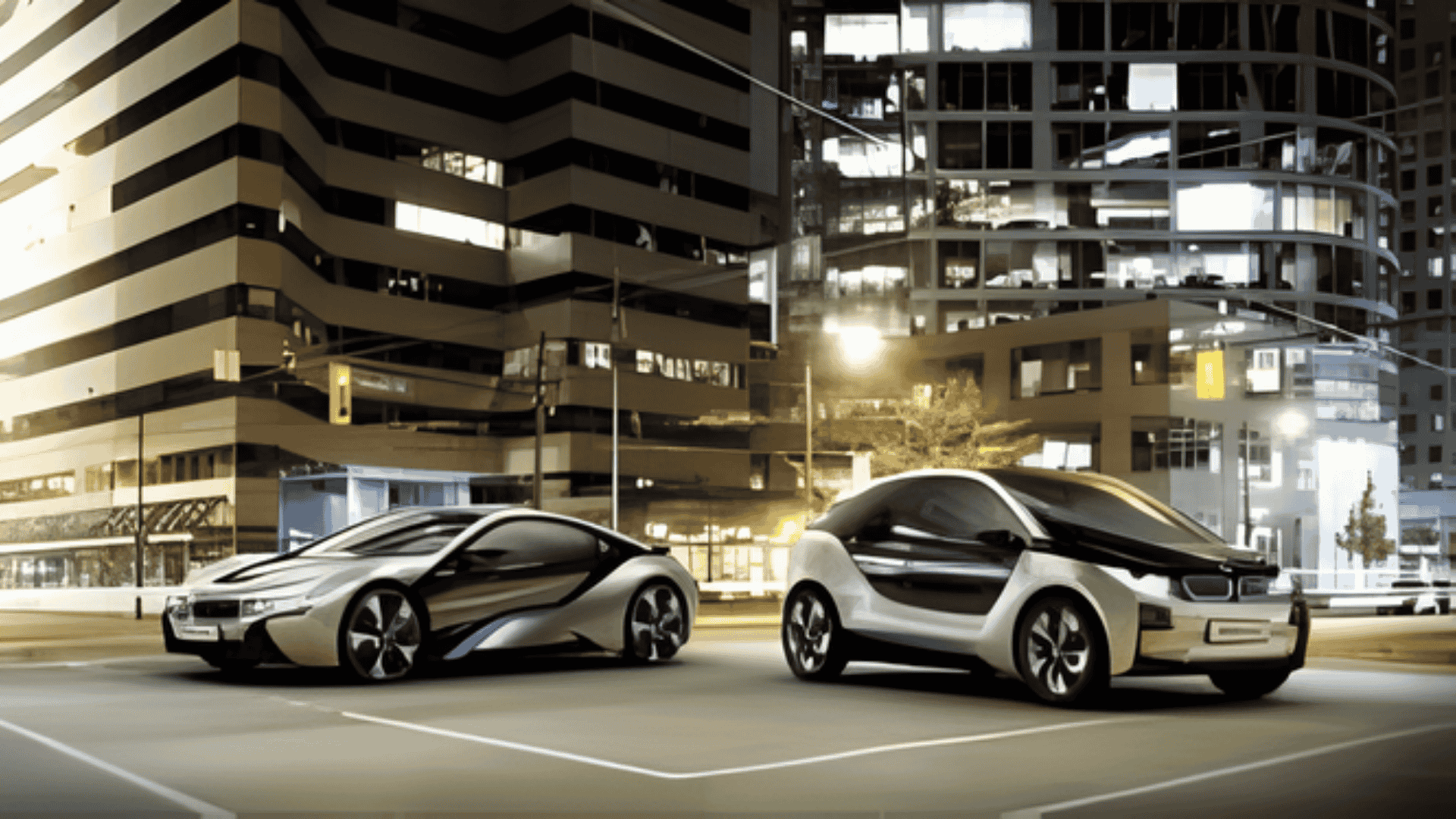
A windshield in a supercar does far more than block wind. It affects how the car feels at speed, how safe it is on track, and how practical it is to live with over time. When the build is custom or low-volume, small decisions here can create lasting problems if they’re made too casually.
Here are the main reasons windshield choice carries so much weight:
Weight and balance: The windshield sits high in the chassis. Heavier glass raises the center of gravity, while lighter materials can noticeably change handling and braking feel.
Optical clarity at speed: Distortion becomes obvious at 150 mph and above. Poor forming or uneven thickness can cause eye strain and make it harder to judge distance.
Impact resistance: Track debris and road stones hit with far more force at speed. Some materials crack or shatter, while others absorb the impact and stay intact.
Design freedom: Aggressive rake angles and compound curves are hard or impossible to achieve with traditional glass, especially for one-off builds.
Long-term ownership: Scratches, haze, and availability matter years down the road. Some materials can be restored; others must be replaced when wear shows up.
With the stakes clear, it helps to break down the core materials used and how they differ in practice.
Common Materials Used in Supercar Windshields
Once you narrow the focus to custom builds, restorations, and racing cars, the material options become clear. Each choice solves a different problem, and the trade-offs become clear quickly when you compare weight, clarity, durability, and cost for low-volume work.
Here’s how the main materials stack up side by side:
Factor | Laminated Automotive Glass (OEM Standard) | Polycarbonate (Lexan) | Aviation-Grade Acrylic |
Best use case | Street-legal supercars | Track-focused builds | Vintage restoration/prototype |
Weight | Heavy (baseline) | ~50% lighter than glass | ~40–50% lighter than glass |
Impact resistance | Low (shatters safely) | Extremely high (nearly unbreakable) | High (stronger than glass) |
Optical clarity | Excellent | Good (depends on forming quality) | Exceptional |
Scratch resistance | High | Low without a hard coating | Moderate, can be polished |
Aggressive curves | Very limited, costly | Excellent freedom | Excellent freedom |
Cost for one-off builds | Very high due to tooling | Moderate | Moderate |
Availability for discontinued models | Rare | Custom fabrication possible | Custom fabrication possible |
Long-term service | Replace only | Replace once the coating fails | Repair and polish over time |
Note: OEM Gorilla Glass is a chemically strengthened, laminated glass used in high-volume production supercars. It is not available for custom or low-volume fabrication.
Also Read: Mastering Automotive Plastic Injection Molding: A Complete Industry Guide
Before ruling options in or out, it’s worth understanding where Gorilla Glass fits and why access is limited.
Why Gorilla Glass Works for OEMs but Not Custom Builds?
Gorilla Glass is a chemically strengthened, laminated automotive glass. It allows manufacturers to reduce thickness and weight while staying within DOT rules for street use. This makes it a good fit for mass-produced supercars where tooling costs are spread across thousands of vehicles.
Why does Gorilla Glass not work for custom builds?
The barrier isn’t performance; it’s economics. Producing Gorilla Glass windshields requires dedicated molds and glass tooling that cost millions of dollars. That only makes sense for large production runs. For one-off builds, prototypes, or restorations, the material simply isn’t available in a usable form.
If you’re not working with an OEM-scale budget or volume, Gorilla Glass isn’t a realistic option. Custom projects rely on materials that can be formed without massive tooling investment, which is why plastics like polycarbonate and aviation-grade acrylic are used instead.
Once Gorilla Glass is off the table, the focus shifts to plastics, where quality differences matter far more than most people expect.
How Aviation-Grade Windshields Outperform Standard Racing Plastics?
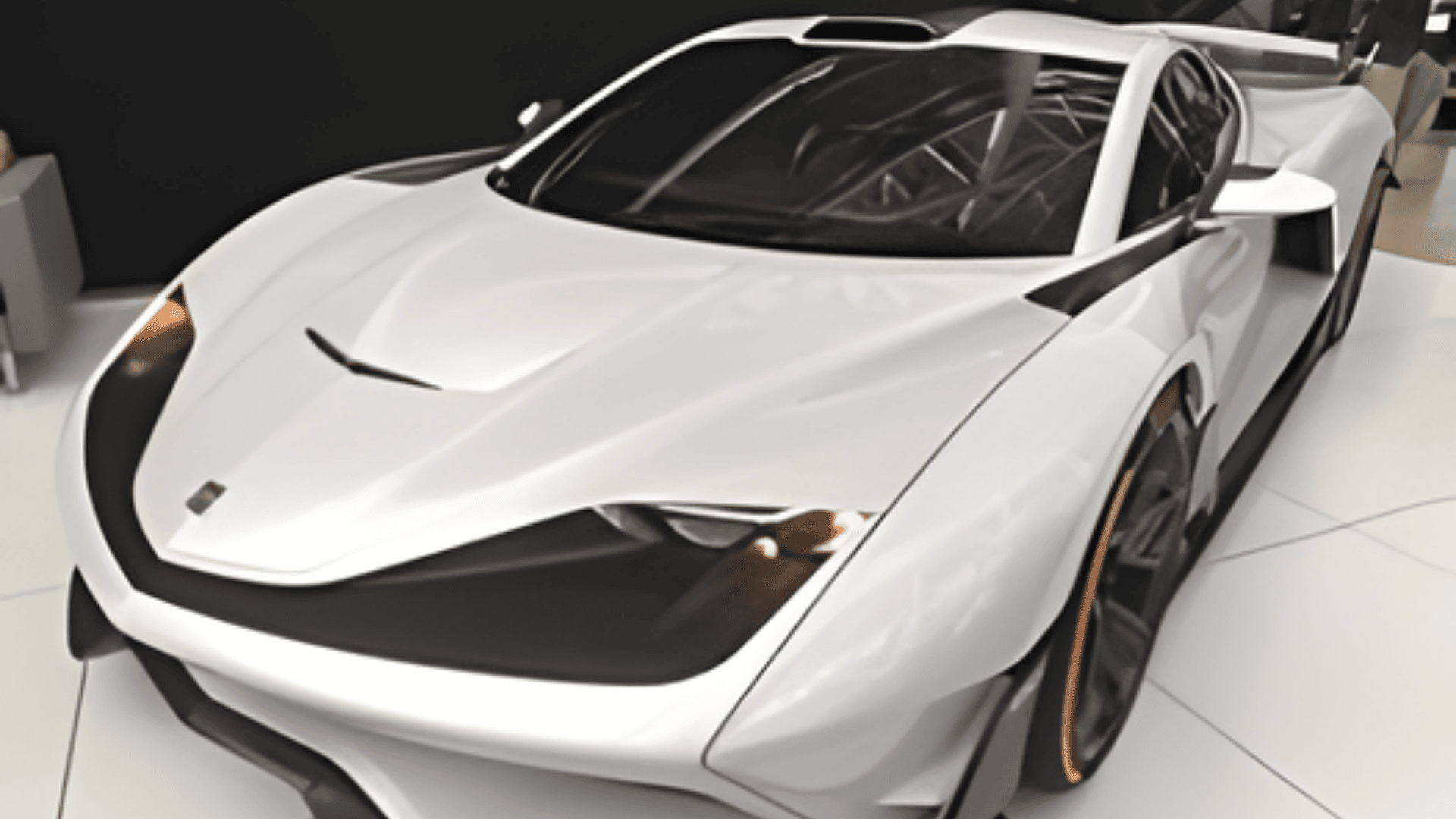
Not all plastic is created equal. There is a wide gap between a generic racing windshield and an aviation transparency, even when both are made from similar base materials. The difference shows up in standards, service life, and optical quality at speed.
Here’s where aviation-grade windshields separate themselves:
Racing plastic vs aviation transparency: Racing polycarbonate is built to meet motorsport rules, where parts are often replaced each season. Aviation transparencies are manufactured to FAA PMA standards, with strict limits on optical distortion, material consistency, and long-term durability.
Built for decades, not seasons: Racing windshields are commonly treated as consumables. Aviation-grade acrylic and polycarbonate are designed for service measured in decades, not track weekends, which matters for restorations and long-term ownership.
Thermoforming vs blow-forming: Standard drape forming heats plastic and lays it over a mold. The surface comes into contact with the mold, which can introduce waves and mark-off. Blow-forming uses air pressure to shape the material, similar to blowing glass. The optical area never contacts a mold.
Optical clarity: Free-formed optics reduce distortion and visual fatigue, which become critical at sustained high speeds, where even small waves can affect depth perception.
Extreme environment design: Aviation transparencies are certified to withstand pressure differentials, sub-zero temperatures, heat, and continuous high-speed airflow. These requirements exceed what automotive glass or racing plastics are designed to handle.
Once material differences are clear, the right choice depends entirely on how your supercar will be built and used.
Choosing the Best Windshield Based on Your Build
Once you know how the car will be used, the windshield decision becomes far more straightforward. Each type of build emphasizes different priorities, from long-term appearance to impact resistance to design freedom.
Here are the most common build types and the materials that suit them best:
Vintage & historic supercars:
Best choice: aviation-grade acrylic windshield
Original glass molds are often lost or no longer usable. Acrylic allows period-correct curves to be recreated with very high clarity. Another advantage is longevity—if surface marks appear over time, the material can be polished rather than replaced.
Track-day & racing supercars:
Best choice: hard-coated polycarbonate windshield
Track debris hits with extreme force at speed. Polycarbonate offers strong impact resistance while reducing weight, which helps protect the driver during high-speed sessions.
Concept cars & prototypes:
Best choice: aviation-grade thermoformed polycarbonate
Designers often specify deep wraps, bubble canopies, or seamless transitions that glass cannot support without massive tooling expense. Thermoformed polycarbonate makes these shapes practical for one-off and low-volume projects.
To avoid surprises later, it helps to understand the technical factors that affect fit, clarity, and durability.
Also Read: Lexan or Plexiglass: Ultimate Windshield Material Guide
Technical Details That Matter in Supercar Windshields
Material choice is only part of the equation. Thickness, mounting, and surface treatment all play a role in how a windshield performs at speed.
Here are the technical factors that matter most:
Thickness selection: Common options include 3mm, 4mm, and 6mm. Thinner panels reduce weight and suit racing use, while thicker sections offer better noise control and stiffness for street-driven or display cars.
Thermal expansion: Plastics expand more than glass when temperatures change. Acrylic, in particular, needs allowance in the mounting design so it can move slightly without stress or cracking.
Mounting method: Bonded installations give a clean, modern look. Mechanical fasteners are often used on vintage or race cars and allow controlled movement as the material expands and contracts.
Surface coatings: Anti-scratch and anti-fog coatings help maintain visibility. These coatings affect long-term care and replacement decisions.
Service and maintenance: Acrylic surfaces can be polished and refreshed over time. Polycarbonate typically must be replaced once its hard coat wears through.
Before finalizing any plastic windshield, you need to address whether it can be used legally on public roads.
Are Polycarbonate Windshields Legal in the USA?
Windshield legality is often the deciding factor for custom supercar builds. Polycarbonate performs well on track, but U.S. road laws are strict, and misunderstanding them can lead to inspection, insurance, or liability problems later.
Here’s how legality breaks down in the United States:
Federal DOT requirements (FMVSS 205 / AS1):
Passenger vehicle windshields must meet Federal Motor Vehicle Safety Standard No. 205 and carry an AS1 DOT marking. This standard includes abrasion and visibility tests taken from ANSI Z26.1.
Polycarbonate windshields, even with hard coatings, typically fail these abrasion requirements, which is why laminated safety glass remains the only widely accepted option for full road use.
Motorsport and off-road use:
Polycarbonate (Lexan) is widely accepted, and often required, by racing sanctioning bodies. These approvals apply only to closed-course, off-road, or competition environments, not public roads.
Limited-use and special registrations:
Certain vehicles may qualify for exceptions, including pre-1968 classics, replicas, or cars registered under the NHTSA “Show and Display” category. These allowances vary by state and are handled at the DMV or inspection level, not at the federal level.
Insurance and liability risks:
Installing a non-DOT windshield on a street-driven car can cause inspection failures and complicate insurance claims. Even if a car passes a basic inspection, insurers may deny coverage after an incident if the windshield does not meet federal standards.
Because enforcement and exemptions vary by state, builders should confirm requirements locally before choosing a non-glass windshield for any road-driven car.
Conclusion
If you’re trying to determine the best windshield material for supercars in a custom build, restoration, race car, or prototype, choosing the right windshield early can prevent costly redesigns later. This is especially true when standard glass options don’t exist or don’t meet the project's performance goals.
Aircraft Windshield Company specializes in custom-formed windshields for low-volume and one-off applications, using aviation-grade acrylic and polycarbonate with tight control over fit and optical clarity.
If you have drawings, CAD data, or an original part to reference, you can contact Aircraft Windshield Company and discuss your project directly with specialists who understand high-speed visibility, material limits, and custom fabrication.
FAQs
What information or parts are needed to start a custom windshield project?
Accurate input is critical. Photographs or rough sketches are not sufficient. A project can begin with a 3D CAD file (STEP or IGES), a physical buck or mold, or an intact original part. For prototypes, supplying the surrounding window frame or a splash mold of the opening helps confirm fit against the bodywork.
What factors affect the cost of a one-off windshield?
Tooling is the largest cost factor for single units. If an existing mold already exists for a specific vehicle, pricing is lower since only material and forming labor are required. For new designs, a custom forming tool must be created. Complex compound curves also require more forming time and inspection than simple shapes.
Can a shattered or cracked glass windshield be duplicated?
In many cases, yes. If the broken glass can be reassembled closely enough to retain its original shape, it can be measured or used to create a splash mold. If no usable pieces remain, the vehicle itself or a precise fiberglass template of the window opening is needed to recreate the geometry.
Are standard glass cleaners safe for acrylic or polycarbonate windshields?
No. Ammonia-based cleaners damage both acrylic and polycarbonate, leading to clouding and fine surface cracks over time. Cleaning should be done with mild soap and water or cleaners made for aircraft plastics, applied using a clean microfiber cloth.
Can custom tints be built directly into the windshield material?
Yes. Tints can be incorporated directly into the acrylic or polycarbonate during fabrication. Options such as light gray or green help reduce glare and interior heat. Since the tint is part of the material, it will not peel, bubble, or separate like surface-applied films.