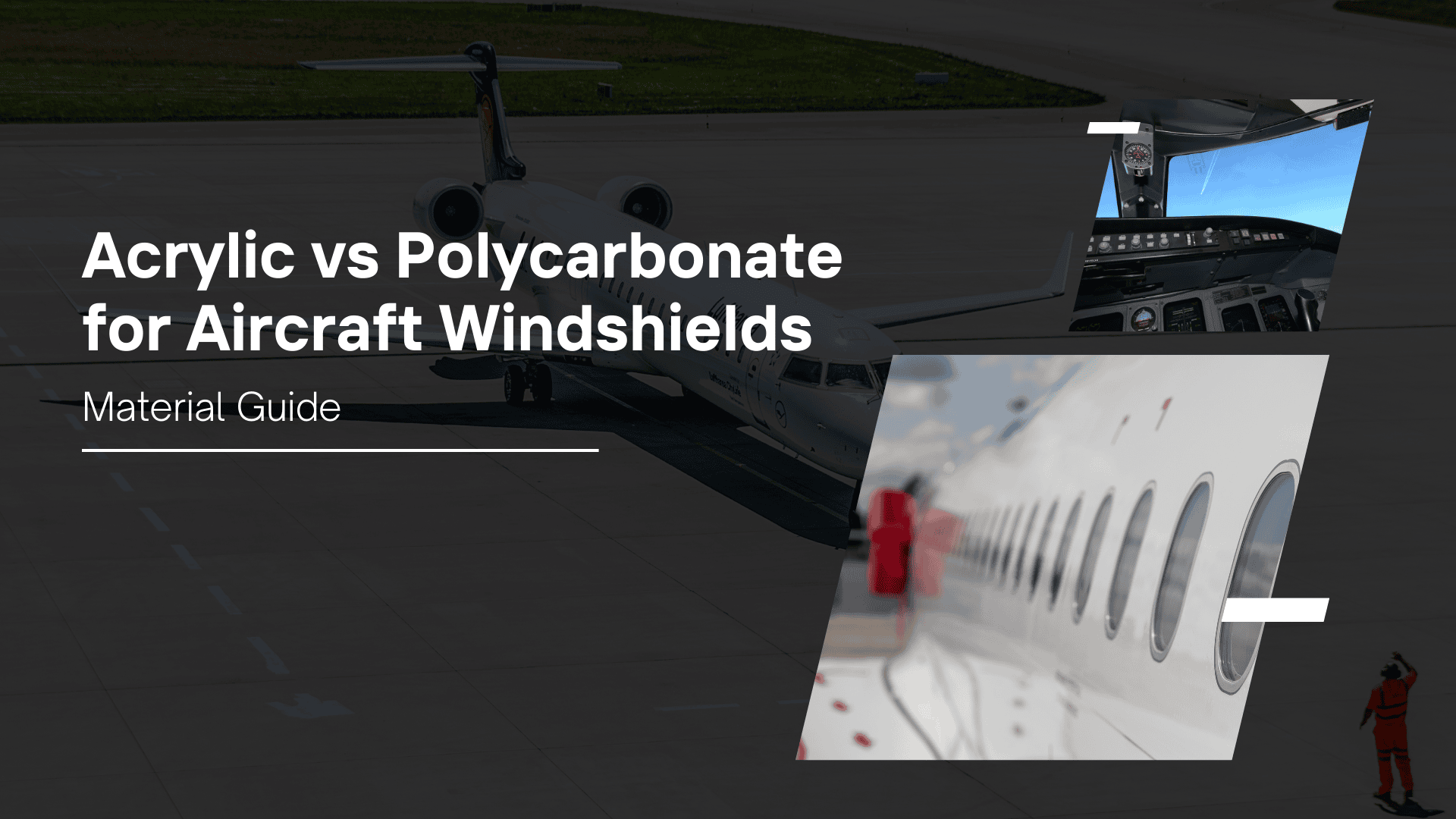
If you oversee aircraft maintenance, procurement, or fleet reliability, windshield material selection affects more than installation. Optical performance, inspection workload, and replacement timing are influenced by whether the component is formed from acrylic or polycarbonate.
That is why acrylic vs polycarbonate for aircraft windshields becomes a service-life and risk consideration, not simply a material comparison.
You may find both materials perform adequately under routine conditions, yet differences become significant when exposure levels, maintenance access, or long-term clarity expectations change. Operational environment, debris exposure, and usage intensity all influence material suitability.
This guide examines where those differences affect in-service behavior, maintenance planning, and replacement cycles, rather than general characteristics.
At a glance
Material selection affects visibility stability, impact behavior, and maintenance workload over service life.
Acrylic is typically preferred where long-term optical clarity and surface durability drive inspection outcomes.
Polycarbonate is often chosen when higher impact exposure or operational stress is expected.
Large or highly curved panels increase sensitivity to forming control and optical distortion.
Replacement planning depends on how each material wears under cleaning, exposure, and flight cycles.
Where Material Differences Actually Affect Operations?
Acrylic and polycarbonate are the two primary materials used in formed aircraft windshields. Acrylic is commonly selected for optical stability and surface durability, while polycarbonate is known for higher impact tolerance and energy absorption.
In many aircraft applications, both materials can perform adequately under standard flight conditions. The distinction becomes meaningful when operational stress, inspection burden, or optical demands increase.
Material choice begins to influence outcomes when:
Aircraft operate in high-debris or rough-field environments
Long-term optical clarity is a primary requirement
Maintenance access is limited
Cleaning frequency is high
Windshield curvature introduces optical sensitivity
In routine operations, performance overlap exists. Under higher stress or longer service expectations, material behavior begins to diverge in ways that affect lifecycle management.
These differences become more apparent when comparing requirements between primary flight visibility zones and secondary transparent areas.
High-Visibility Flight Zones vs Secondary Transparent Areas

Transparent components in an aircraft do not serve identical performance roles. Optical demands vary depending on whether the area supports primary flight visibility or secondary viewing.
Primary pilot visibility zones require:
Stable long-term clarity
Low surface wear from repeated cleaning
Minimal distortion through curved panels
Consistent optical performance across the service life
Acrylic is frequently specified in these zones because its surface durability and clarity retention support sustained visual performance under routine inspection and cleaning.
Secondary or non-critical viewing areas may prioritize:
Higher impact tolerance
Structural flexibility under load
Reduced emphasis on long-term surface appearance
In these areas, polycarbonate may be selected when exposure to debris or mechanical stress presents a greater concern than gradual surface wear.
Let’s look next at how higher-risk operating environments further influence this material decision.
High-Risk Operating Environments (Debris, Training, Harsh Use)
Material performance becomes more application-driven when aircraft operate under elevated physical stress. In these conditions, exposure patterns rather than general material properties shape the decision.
Situations where impact resistance becomes more relevant include:
Training aircraft with frequent flight cycles and repeated ground handling
Aircraft operating from less controlled or rough-field surfaces
Environments with increased foreign object exposure during taxi, takeoff, or landing
In such use cases, polycarbonate’s higher impact tolerance can reduce the likelihood of damage from debris or incidental contact. The tradeoff is typically increased sensitivity to surface wear, which can lead to higher maintenance attention over time.
Aircraft operating in more controlled environments, where debris exposure is lower, may instead prioritize optical stability and long-term surface durability.
Let’s now examine how these differences influence maintenance workload and inspection practices.
Maintenance Workload Implications
Material behavior directly influences inspection frequency, cleaning procedures, and long-term surface condition.
Acrylic typically:
Shows slower surface wear from routine cleaning cycles
Maintains optical clarity with standard aviation-approved cleaning practices
Requires fewer surface treatment considerations during service
Tolerates repeated inspection and handling with less visible degradation
Polycarbonate may require:
Protective surface treatments to manage abrasion sensitivity
More controlled cleaning methods to prevent surface marking
Closer monitoring in high-use or training environments where handling is frequent
Attention to surface condition during regular inspections
For fleets operating under tight maintenance windows or where access to transparencies is limited, surface durability directly affects workload planning and inspection effort.
Let’s next look at how these material differences influence replacement planning and long-term fleet management.
Replacement Planning and Long-Term Fleet Management
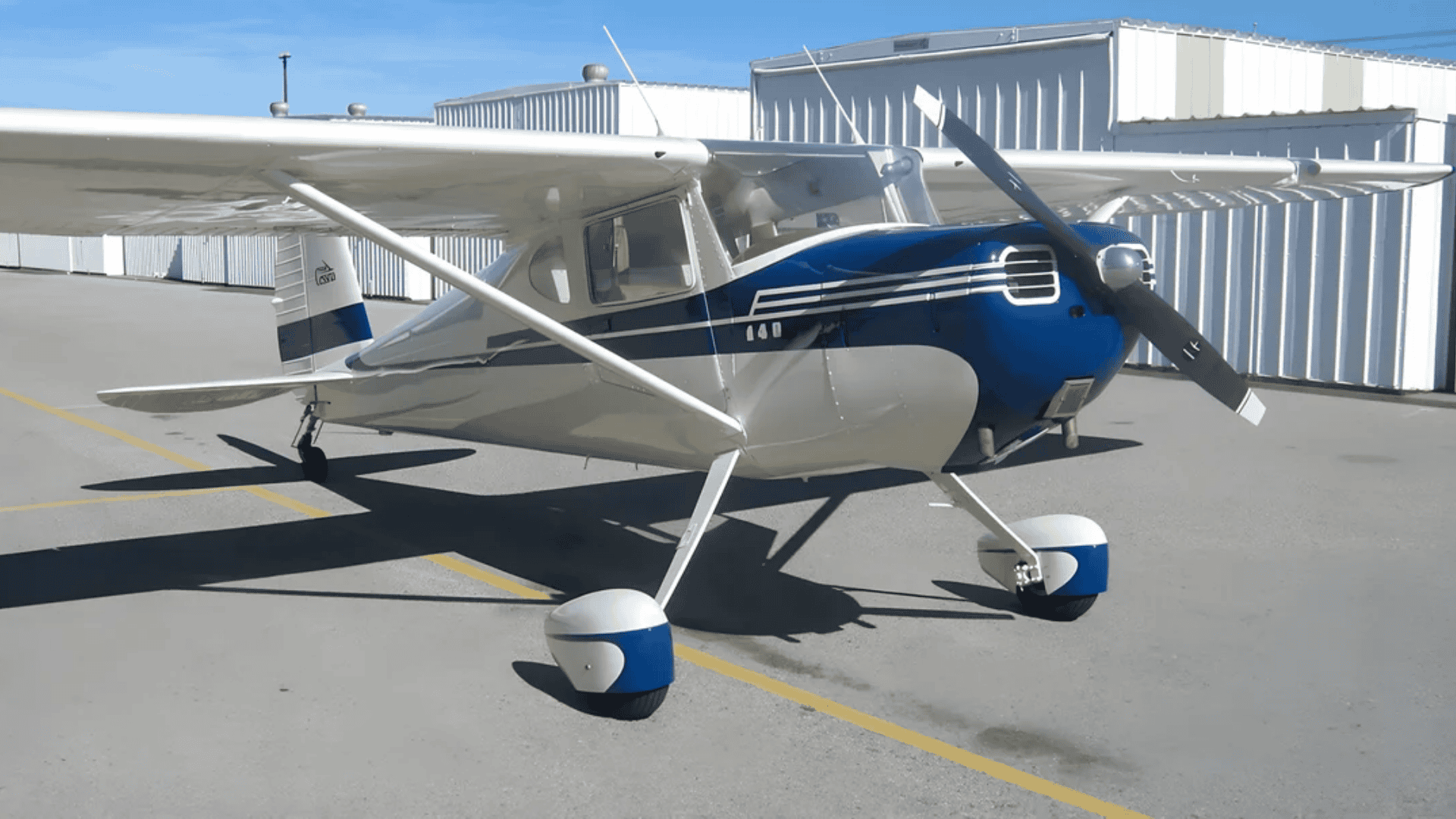
Material selection influences not only initial performance, but the conditions that trigger inspection findings and eventual replacement.
Replacement is commonly driven by:
Progressive loss of optical clarity affecting forward visibility
Surface abrasion or marking that does not polish out
Environmental exposure is accelerating surface aging
Repeated operational stress from frequent flight cycles or handling
Acrylic is often specified where long-term clarity retention helps extend service intervals, particularly in primary visibility zones where gradual surface wear can determine replacement timing. Its surface durability can delay clarity-related removal from service under routine inspection standards.
Polycarbonate may be selected in applications where impact tolerance is prioritized. In these cases, replacement may be driven more by surface condition monitoring rather than structural damage, especially in higher-use or training environments.
Fleet planning should therefore evaluate how each material behaves over inspection cycles, not only how it performs at installation.
Let's now examine how forming complexity in large or curved windshields further influences material suitability.
Forming Complexity in Large or Curved Windshields
Material behavior during thermoforming becomes more critical as windshield size and curvature increase. Larger transparencies and compound curves amplify the effect of thickness variation, residual stress, and optical distortion.
In large or highly curved windshields, forming control must address:
Thickness distribution across the panel
Optical distortion through curved viewing areas
Residual forming stress after shaping
Edge and flange accuracy for proper fit
Which material is typically preferred when curvature and size increase?
Acrylic often provides more predictable outcomes where distortion control is critical:
Supports more stable optical clarity across curved viewing zones
Maintains surface quality under controlled forming
Offers consistent performance in primary visibility areas
Better suited where long-term optical stability is required
Polycarbonate may be selected where impact tolerance remains the priority, but with added forming considerations:
Provides higher flexibility under load
Can accommodate impact-driven design priorities
Requires tighter process control to manage forming stress
Optical performance in complex curves depends heavily on manufacturing precision
Let’s now look at when material selection becomes a risk-driven decision in aircraft operations.
When Material Choice Becomes a Risk Decision?
Material selection shifts from preference to risk management when operational conditions increase the consequences of performance variation.
Risk evaluation typically focuses on:
Optical performance stability - degradation affecting forward visibility or inspection acceptability
Impact exposure probability - operating environments with higher debris or contact risk
Maintenance access limitations - restricted access increasing tolerance for surface wear
Service interval expectations - longer intervals amplifying surface durability differences
Environmental severity - UV exposure, temperature fluctuation, and weathering effects
In applications where optical clarity directly influences operational safety, surface durability and long-term transparency become primary decision factors. Where impact exposure is elevated, resistance to cracking or damage may take precedence, even if surface wear requires closer monitoring.
Material choice in these cases reflects a balance between visibility stability, structural tolerance, and maintenance workload, with each factor carrying different weight depending on the aircraft’s operating profile.
Application-Based Material Selection Matrix
Material preference in aircraft windshields is driven by operational priority rather than a universal performance ranking.
The matrix below aligns typical service conditions with the material characteristics most often matched to those requirements.
Operational Scenario | Material Tendency |
Primary forward pilot viewing zone where long-term clarity retention is critical | Acrylic |
Training or high-cycle aircraft with increased handling and ground activity | Polycarbonate |
Operations from environments with higher foreign object exposure during taxi and takeoff | Polycarbonate |
Applications where minimizing surface wear from repeated cleaning is a priority | Acrylic |
Installations with limited maintenance access or longer inspection intervals | Acrylic |
Use cases where impact tolerance outweighs long-term surface appearance | Polycarbonate (with protective treatments) |
Material selection should align with operational exposure patterns and maintenance expectations rather than assuming one material suits all aircraft applications.
Looking for Aircraft Windshields That Match These Material Criteria?
Acrylic and polycarbonate serve different operational priorities in aircraft windshields. Selection depends on visibility stability, impact exposure, maintenance demands, and service interval expectations.
At Aircraft Windshield Company, we manufacture precision-formed aircraft windshields using both acrylic and polycarbonate for real operational use. Our processes are aligned with aviation requirements where material performance must translate into reliable service behavior.
We provide:
Custom-formed aircraft windshields built to specification
FAA-certified manufacturing processes
Acrylic and polycarbonate forming for aviation applications
Complex, curved, and large-format transparencies
Replacement manufacturing with dimensional accuracy
Support for material selection based on operational needs
Contact us to discuss material selection, forming requirements, or replacement specifications for your aircraft windshield application.
FAQs
Does polycarbonate scratch more easily than acrylic?
Yes. Polycarbonate is softer at the surface, so it shows abrasion sooner without protective treatments. Acrylic typically maintains surface finish longer under routine cleaning.
Which material holds optical clarity longer over time?
Acrylic generally retains clarity longer under UV exposure and regular handling. Polycarbonate can maintain performance but often relies more on surface protection.
Is polycarbonate stronger than acrylic?
Yes, in terms of impact resistance. Polycarbonate absorbs energy better, while acrylic offers greater surface hardness and optical stability.
Do forming processes affect optical performance?
Yes. Forming temperature control, stress distribution, and curvature can influence distortion and long-term dimensional stability for both materials.
Is one material easier to maintain than the other?
Acrylic usually requires fewer special cleaning precautions. Polycarbonate may need more controlled handling to prevent surface marking over time.