The transparency protecting the flight deck is far more than a viewing window; it’s a precision-engineered structural component that maintains cabin pressure, absorbs high-speed impacts, and delivers distortion-free visibility in demanding conditions.
The choice of aircraft windshield material directly affects safety, weight, and long-term operating costs.
Because these transparencies must balance clarity, strength, and low weight, understanding the differences between acrylic, polycarbonate, and laminated glass is essential for proper maintenance, cleaning, and replacement while staying compliant with FAA standards.
Key Takeaways
Aircraft windshield material selection is a trade-off: Acrylic offers superior optical clarity and scratch resistance, while Polycarbonate offers extreme impact resistance (often requiring hard-coating). Laminated Glass provides the best thermal/scratch stability for heated outer plies.
Transport windshields rely on multi-layer lamination (glass/plastic/urethane) to provide redundancy. The urethane interlayer absorbs impact energy and prevents cracks from propagating through the structural layers.
The high-end performance of the material is only achieved through precision thermoforming and post-process annealing to eliminate residual stress, which is the primary cause of premature crazing and failure.
Regardless of the material, the final assembly must meet strict FAA/EASA standards for bird strike resistance and cabin pressure integrity, ensuring the pilot maintains a clear view after a critical event.
The Core Aircraft Windshield Materials
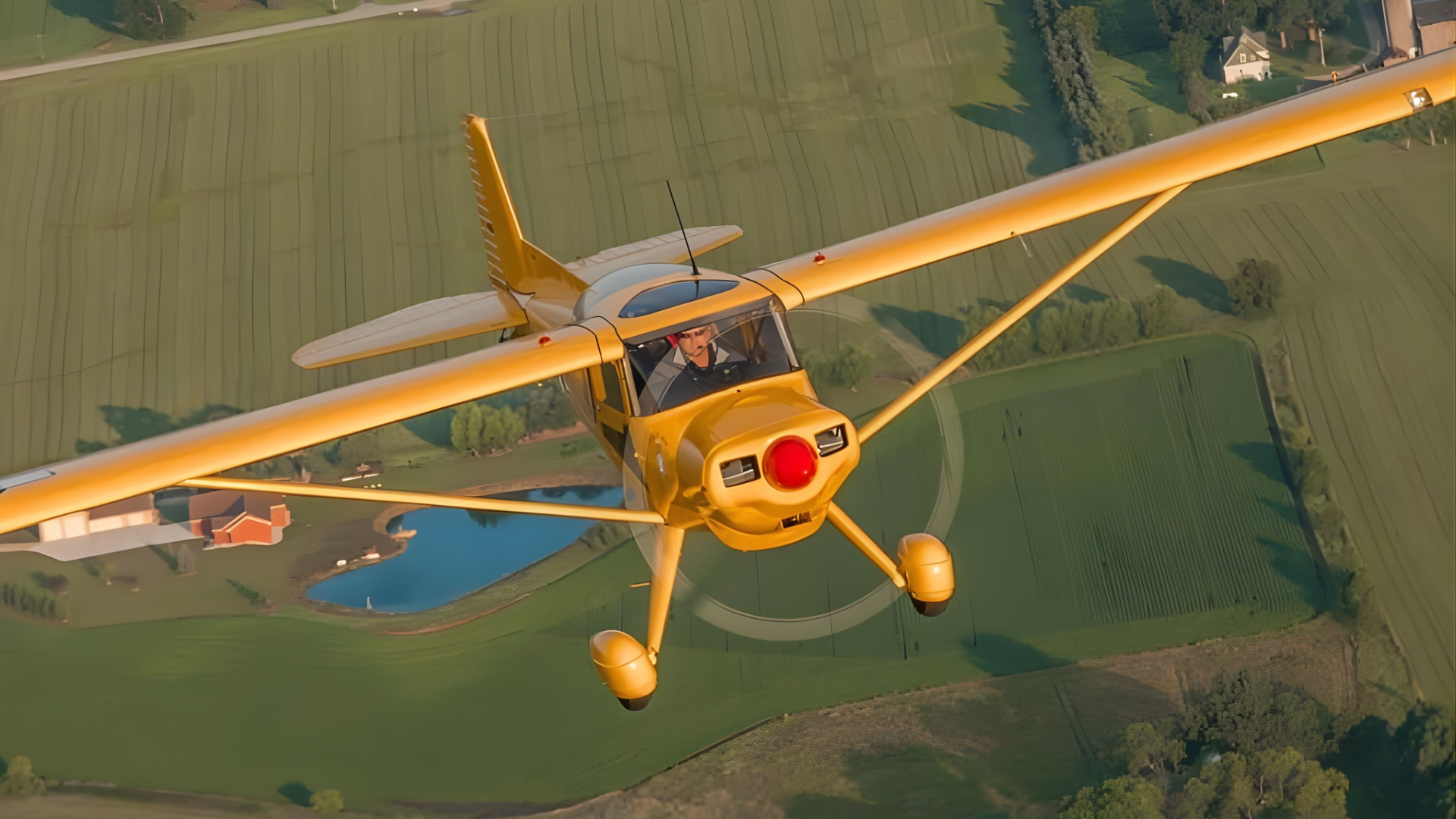
The majority of aircraft transparencies rely on three primary materials, each offering a distinct profile of properties that suit different aircraft categories and flight requirements.
1. Acrylic (Polymethyl Methacrylate or PMMA)
Acrylic is perhaps the most common plastic used in light to medium aircraft transparencies, prized for its optical superiority.
Clarity and Weight: Acrylic delivers exceptional optical clarity with minimal distortion, often superior to polycarbonate. It is significantly lighter than glass, which aids in overall aircraft efficiency.
Application: It is extensively used in general aviation (many Cessna windshields and side windows are acrylic), helicopter canopies, and passenger cabin windows.
Enhancement: To improve durability, manufacturers use bi-axially stretched acrylic. This specialized thermoforming process aligns the polymer chains, increasing resistance to fatigue, chemical degradation (crazing), and crack propagation.
2. Polycarbonate
Polycarbonate is the choice for applications where impact resistance is the single most critical factor, often used in military and high-speed commercial aircraft.
Impact Resistance: Polycarbonate is remarkably strong, offering impact resistance up to 250 times that of glass. This makes it ideal for areas requiring extreme protection, such as canopies on high-performance jets.
Application Question: Are Cessna windshields polycarbonate? While some light aircraft use polycarbonate for side windows or canopies due to its flexibility, the primary forward windshields on many Cessna models are traditionally acrylic to prioritize optical clarity and scratch resistance. However, laminated assemblies may incorporate polycarbonate plies for strength.
Drawbacks: Polycarbonate is naturally softer than acrylic, making it more susceptible to scratching. It generally requires a specialized hard-coat application to maintain clarity and surface integrity.
3. Glass (Chemically Strengthened)
Glass is still a fundamental component in the windshields of most transport category aircraft, where heating and heavy-duty wear are factors.
Scratch and Heat Resistance: Glass offers superior inherent scratch resistance and excellent thermal stability, making it the ideal outer layer for high-speed jets that use resistive heat films for de-icing.
Strengthening: The glass is typically chemically strengthened (ion exchange) or thermally tempered to increase its surface hardness and flexibility, mitigating the risk of brittle failure under impact.
Laminated Use: In modern airliners, glass is rarely used as a monolithic panel; instead, it forms the outer ply of a multi-layer laminated assembly.
Understanding the components is key, but the true engineering feat lies in how these materials are combined.
Multi-Layered Laminated Assemblies
High-performance aircraft windshield materials are almost always combined into a sophisticated laminated structure designed to perform multiple functions simultaneously.
The Laminate Structure and Redundancy
Cockpit windshields often consist of three or more layers bonded together with specialized transparent interlayers.
Outer Ply: Typically tempered or chemically strengthened glass. Its primary function is resisting abrasion, erosion, and high-energy impact, such as a bird strike.
Interlayer: A urethane or polyvinyl butyral (PVB) adhesive layer is placed between the plies. This material is designed to be highly flexible and acts as a crucial energy absorber, preventing crack propagation between the structural layers.
Inner Ply: Often composed of stretched acrylic or a secondary structural glass ply. This layer is engineered to maintain cabin pressure and ensure the cockpit remains protected even if the outer layer is severely damaged.
Functional Integration: Heating and Coatings
Material selection is also driven by the need to integrate sophisticated safety features into the transparency.
De-icing: In pressurized, high-altitude aircraft, the windshield must remain free of ice and fog. This is achieved by embedding an electrically conductive layer, often a fine metal mesh or an Indium Tin Oxide (ITO) coating, between the layers. This conductive film heats the assembly uniformly.
Anti-Fog: Similarly, the inner ply may receive an anti-fog coating to manage condensation caused by humidity differences between the cabin and the material's surface temperature.
Whether you require laminated structural glass for a transport jet or custom-formed acrylic for a light aircraft, precision is paramount.
Our facility utilizes proprietary drape, stretch, vacuum, and blow forming techniques to fabricate optically superior acrylic and polycarbonate windshields up to 10 feet in size.
Manufacturing Precision and Safety
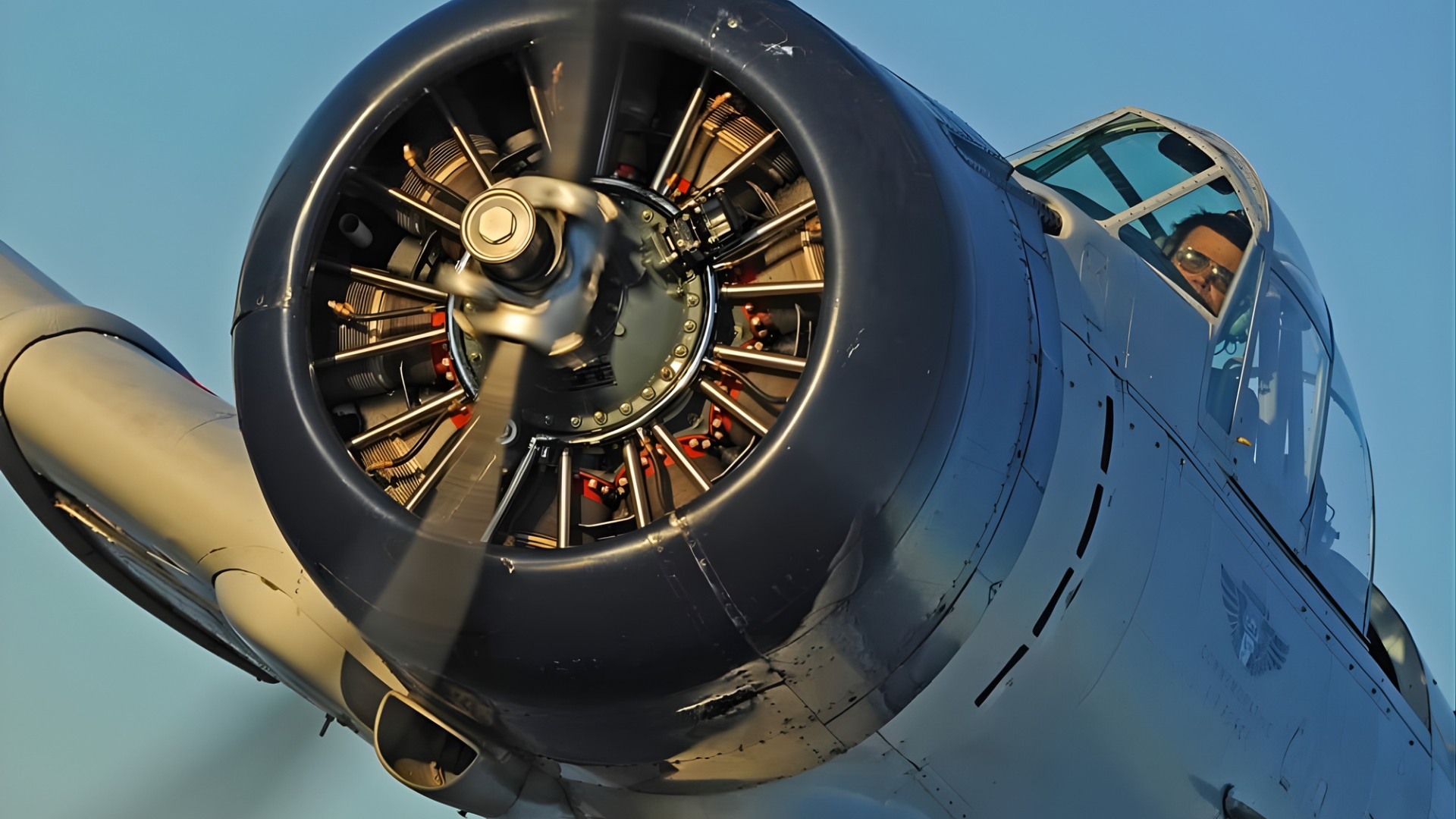
The chosen aircraft windshield material determines the precise manufacturing techniques required to achieve certification and flight-ready performance.
Achieving Optical Quality
Unlike flat glass, aircraft transparencies are highly contoured for aerodynamic efficiency, requiring specialized thermoforming that minimizes optical power or distortion.
Forming Technique: The fabrication method (e.g., drape forming for simple curves, stretch forming for high-impact resistance) must be matched to the material and final design. Imperfect forming introduces visual anomalies that can cause pilot fatigue and navigational error.
Annealing: After forming, the material must undergo a controlled annealing process. This slow, monitored cooling removes internal stresses induced during the shaping phase. Residual stress is a primary trigger for early crazing and failure.
Weight and Performance Trade-offs
The constant engineering goal is finding the highest possible strength-to-weight ratio.
Light weighting: The shift towards stretched acrylic and polycarbonate over traditional laminated glass significantly reduces aircraft weight. This contributes directly to fuel efficiency and increased payload capacity, a major economic factor for commercial and freight operators.
FAA Requirements: All aircraft windshield material and assemblies must demonstrate compliance with FAA regulations, notably 14 CFR Part 25.775, which requires the flight deck windshield to withstand a 1.8 kg bird strike at the aircraft's design cruise speed without penetration.
Conclusion
The selection of aircraft windshield material is a critical engineering decision that balances clarity, weight, and structural integrity.
Whether relying on the superior optics of acrylic, the extreme impact resistance of polycarbonate, or the thermal stability of laminated glass, precision fabrication is key. Proper thermoforming and annealing remove stress, ensuring the final assembly meets stringent safety standards for bird strike resistance and cabin pressure.
Trusting experts with deep material knowledge guarantees your aircraft is equipped with the safest, clearest transparencies.
Need a custom solution for a high-performance, prototype, or legacy aircraft?
Our engineering team is ready to apply decades of expertise in acrylic and polycarbonate fabrication, using precise techniques like blow and stretch forming. Contact us today to discuss your project and ensure your aircraft is equipped with optically superior transparencies.
Frequently Asked Questions (FAQs)
Q1. Why is acrylic often preferred for general aviation, and what is its primary weakness?
Acrylic is favored for its excellent optical clarity and lower weight compared to glass. Its primary weakness is its susceptibility to crazing, a network of fine surface cracks, which is often triggered by cleaning solvents or high internal residual stress from improper forming.
Q2. Are Cessna windshields polycarbonate or acrylic?
Many light aircraft, including a large portion of the Cessna fleet, historically use acrylic (PMMA) for their primary windshields due to its optical superiority and light weight. Polycarbonate is generally reserved for areas requiring extreme impact resistance or canopies on high-performance jets.
Q3. What is stretched acrylic, and why is it used?
Stretched acrylic is acrylic that has been manipulated during the thermoforming process to align the polymer chains. This alignment significantly improves the material's resistance to crack propagation, enhances tensile strength, and provides better protection against chemical crazing compared to standard cast acrylic.
Q4. What is the role of the interlayer in a laminated aircraft windshield material assembly?
The interlayer, usually made of urethane or PVB, serves two vital functions: it chemically bonds the multiple plies together (glass or plastic), and, most importantly, it acts as a shock absorber to absorb the kinetic energy from a bird strike and prevent cracks from traveling from one ply to the next.
Q5. Why do heated windshields use glass as the outer ply instead of plastic?
Glass is used as the outer ply on heated windshields because it has superior thermal stability and excellent scratch resistance. The thin, conductive heating film (like ITO coating) is often applied directly to the inner surface of the glass ply, which can better withstand the extreme temperature cycling without degrading like plastic would.
Q6. What is the biggest consequence of improper annealing during manufacturing?
Improper annealing (the controlled cooling process) results in residual stress locked within the plastic material. This high internal stress drastically lowers the material's structural strength, making it highly prone to immediate stress crazing and catastrophic failure when subjected to operational loads like cabin pressure differentials.