Airplane windshields endure some of the toughest conditions in aviation, far beyond simply providing visibility for pilots. They must withstand high-speed impacts, pressure changes, bird strikes, and unexpected collisions, all while maintaining flawless optical clarity.
As aviation technology advances, so do the standards and safety measures designed to protect these critical components, including bird-strike certification tests, layered windshield heating systems to prevent icing and fogging.
This blog explores the key risks aircraft windshields face, the structural and regulatory requirements behind their design, and the preventive strategies and innovations that continue to enhance safety across the aviation industry.
Key Takeaways
The airplane windshield is a structural component. Its thickness and clarity must remain within certified limits to withstand bird strikes and cabin pressure loads.
Only use gentle, aircraft-approved cleaners and soft cloths. Always pre-rinse and wipe in straight, linear motions to prevent damage that causes glare. Never use ammonia-based products.
Acrylic is highly susceptible to crazing from residual stress or chemical attack. Use proper care to preserve the integrity gained from precision thermoforming and annealing.
For unique, historic, or large-format transparencies, specialized manufacturers can fabricate optically superior replacements using techniques like stretch or drape forming in controlled environments.
In-Flight Risks and Structural Resilience
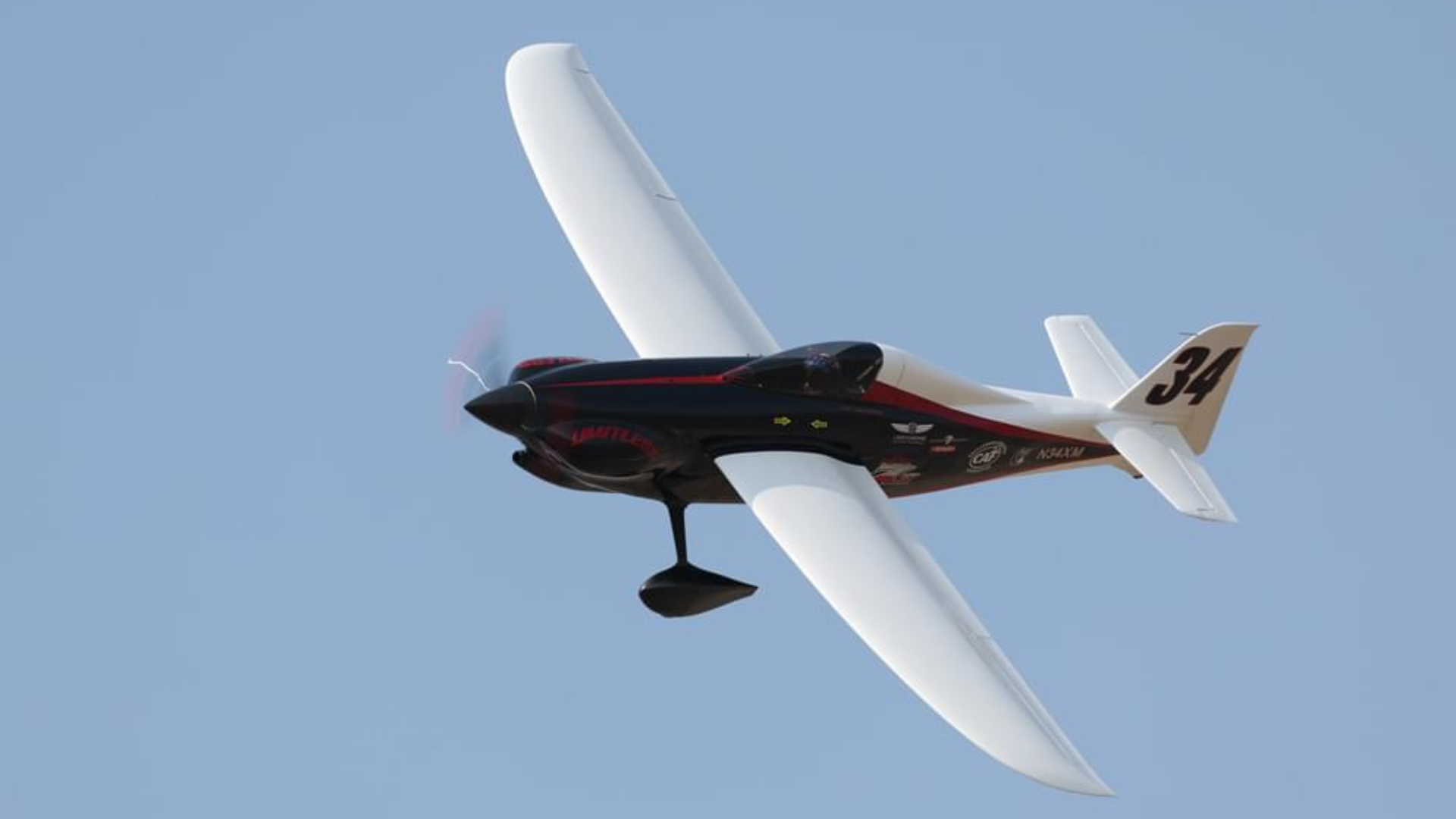
The design and material composition of an airplane windshield must account for catastrophic events and the relentless demands of the operating environment.
1. Impact Risks: Bird Strikes and Foreign Objects
The most dramatic risk is the bird strike. The energy absorbed during impact increases exponentially with the aircraft's speed.
Certification Standards: Transport category aircraft windshields must meet stringent FAA/EASA standards. These require the inner ply to remain non-splintering and the pilot's view to remain intact after a 1.8 kg bird strike at critical speeds.
Impact Energy: A bird strike at typical approach or climb-out speeds can generate extremely high impact loads, often comparable to several thousand pounds of force. This level of energy is why multi-layer laminated glass, stretched acrylic, or high-strength polycarbonate are required materials.
Aircraft Design: Smaller general aviation aircraft and helicopters have lower impact resistance requirements. Pilots must be acutely aware of this limitation, especially when flying at low altitudes where bird activity is highest.
2. Material Degradation: Crazing and Chemical Attack
The most common long-term risk to an airplane windshield is chemical degradation, often invisible until flight conditions make the damage apparent.
Acrylic Susceptibility: Acrylic, used widely for its clarity and weight advantage, is highly susceptible to stress crazing. This manifests as thousands of tiny surface cracks that drastically reduce transparency, especially when flying into the sun.
Chemical Threats: Solvents are a severe threat. Substances like ammonia (found in common household cleaners), acetone, and specific de-icing fluids can irreversibly attack the acrylic polymer structure.
Polycarbonate Strength: Polycarbonate offers superior impact resistance but still requires careful chemical handling to maintain its optical properties. Choosing the right material for the operational environment is crucial.
3. Structural Integrity and Pressure Loads
The airplane windshield is not merely a piece of glass; it is an integral part of the pressurized cabin structure.
Multi-Layer Design: Cockpit windows often feature multiple layers: an outer impact layer, a heated layer (to prevent icing and fogging), and an inner pressure layer.
Fail-Safe Design: Windshield designs often incorporate a fail-safe philosophy. If the outer layer is compromised, the remaining structure must prevent rapid depressurization of the cabin.
Manufacturing Precision: The thermoforming and annealing processes must be controlled precisely to minimize residual stress within the material. Residual stress is a primary initiator of crazing and structural weakness under operational load.
With these risks understood, the focus shifts to meticulous operational and maintenance procedures.
Mitigation and Best Practices for Airplane Windshield Care
Proper, consistent care is the most effective way to mitigate material degradation and maintain the optical quality necessary for safe flight operations.
4. How to Clean Airplane Windshield Correctly
Improper cleaning is the leading cause of micro-scratches and eventual haze. Adopting a strict, approved procedure is non-negotiable.
Initial Rinse: The first step in how to clean airplane windshield is always a gentle flood of clean water. This removes abrasive debris, such as dust and bug residue, without requiring mechanical contact. Never wipe a dry windshield.
Approved Solutions: Use only mild dishwashing liquid, or better yet, a specialized, aircraft-approved acrylic cleaner. Never use ammonia-based glass cleaners, as they degrade the plastic.
Technique: Use a soft, clean, lint-free cloth, such as cotton flannel or microfiber. Wipe only in straight, linear motions (up and down) to minimize the visibility of micro-scratches that cause sun glare. Avoid circular motions, which create permanent halos.
Stubborn Debris: For hardened bug residue, soak the area with soapy water to soften the debris before gently wiping. Never scrape the surface with abrasive tools or paper products.
5. Advanced Scratch Removal and Restoration
While minor scratches can be filled or polished, deep damage requires expert intervention to preserve structural integrity.
Micro-Scratches: For general haze or micro-scratches, use a non-abrasive scratch-filling polish intended for acrylics. This restores clarity for daily use.
Deep Damage: If a scratch can be felt with a fingernail, material removal is required. This must be done by trained technicians using progressive sanding systems (e.g., Micro-Mesh). Excessive material removal can compromise the minimum thickness required for pressurization and bird strike resistance.
Professional Evaluation: Deep scratches, gouges, or large areas of crazing should prompt immediate evaluation by an MRO or certified vendor. Your aircraft’s maintenance manual provides minimum allowable thickness specifications.
Are you concerned about complex structural damage or maintaining a unique aircraft type?
Aircraft Wind Shield specializes in manufacturing high-optical-quality custom windshields, including those for historic restorations and prototypes. We utilize advanced thermoforming and annealing capabilities for unparalleled clarity.
6. The Role of Protective Coatings and Covers
Beyond cleaning, protective measures actively resist environmental damage.
Ceramic Coatings: Only aviation-approved ceramic coatings should be used, typically applied by technicians trained in treating acrylic and polycarbonate surfaces. These coatings meet standards for optical clarity, UV stability, and chemical compatibility, and require proper surface preparation, controlled curing, and uniform application to avoid distortion or haze.
Canopy Covers: When parked outdoors, a high-quality canopy cover is essential. Ensure the inner material is soft (e.g., cotton or fleece-lined) and that the cover is cinched down tightly to prevent wind flutter, which can grind abrasive particles against the windshield.
Custom Solutions and Manufacturing Expertise
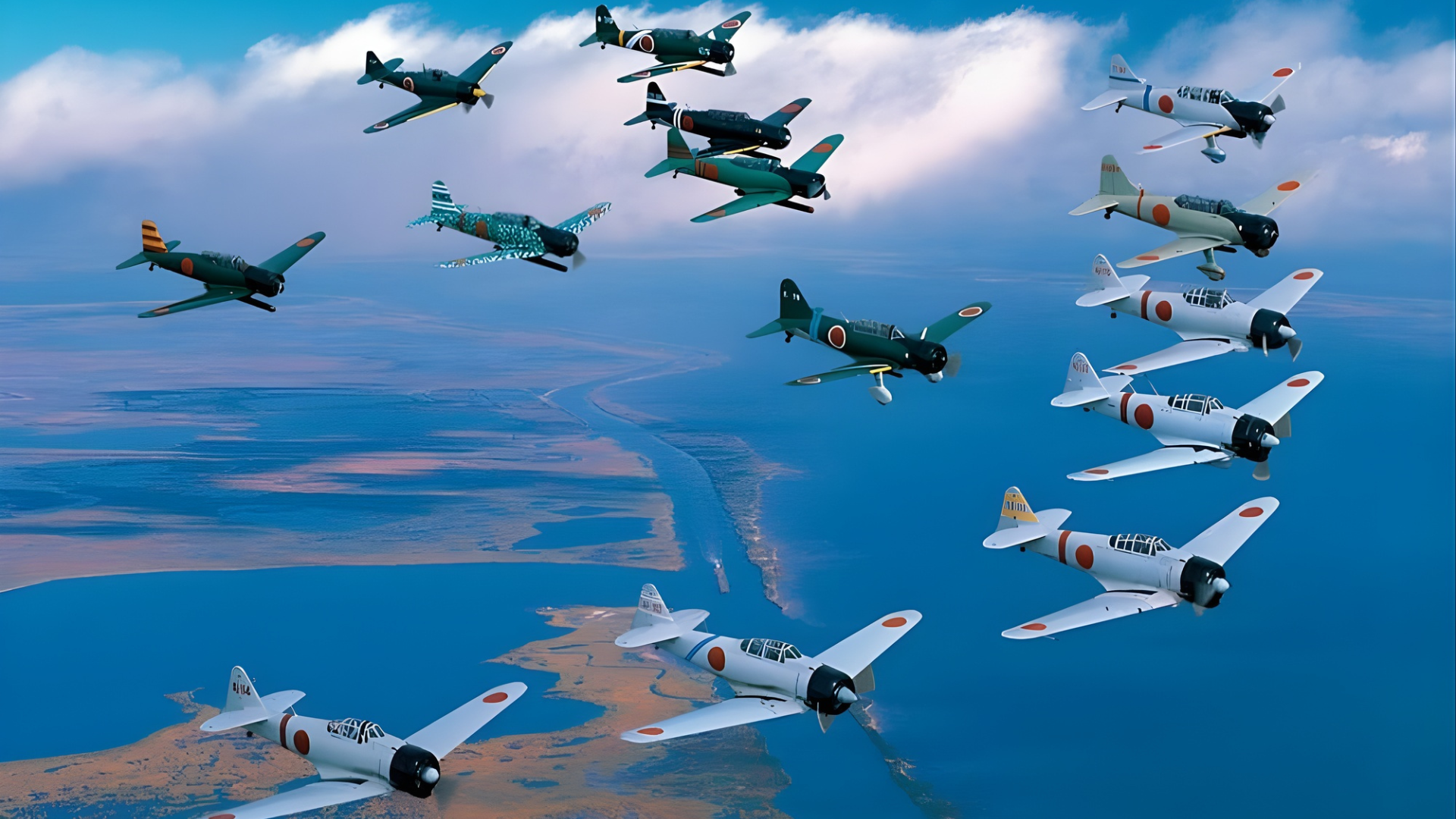
When off-the-shelf replacement is not possible, such as with vintage aircraft, prototypes, or unique custom builds, specialist fabrication is required.
Custom Fabrication for Legacy and Prototype Aircraft
Fabricating optically superior transparencies for non-standard applications requires high-level technical expertise and advanced machinery.
Polycarbonate Forming: For impact resistance and high-speed applications (often military or prototype), polycarbonate is the material of choice. Our facility handles advanced techniques, including stretch and blow forming, to achieve precise contours and optimal impact strength.
Acrylic Precision: For applications where ultimate clarity is required, drape and vacuum forming are used for acrylic to maintain the highest optical quality and fit tolerance, especially on large-format pieces up to 10 feet.
Restoration: Working with legacy aircraft like vintage warbirds or classic civil transports demands reverse-engineering expertise. We meticulously recreate the original shape and thickness while incorporating updated material formulations, improved UV-resistant resins, and enhanced stress-relief processes. These advances allow the transparency to match the historical profile while offering better durability and service life than the original.
Conclusion
The clear view offered by a well-maintained airplane windshield is a non-negotiable element of flight safety. Understanding the risks from high-energy bird strikes to the silent threat of chemical degradation allows for proactive maintenance.
By adhering to rigorous cleaning protocols and opting for expert inspection when damage is sustained, operators can significantly extend the service life and functional clarity of their aircraft transparencies.
When repair is no longer feasible, rely on expert fabrication that honors the original design's structural and optical demands.
Ready to secure your aircraft with transparencies engineered for performance and precision?
Explore our full range of certified aviation and custom windshield solutions. Contact us today to discuss your specific requirements, whether for maintenance, restoration, or prototype fabrication.
Frequently Asked Questions (FAQs)
Q1. What specific chemicals must be strictly avoided when cleaning acrylic airplane windshields?
You must strictly avoid all ammonia-based cleaners, acetone, gasoline, and any solvents containing alcohol, as these will chemically attack the acrylic polymer structure and lead to irreversible crazing and structural failure. Use only mild soap and water or specialized, aircraft-approved acrylic cleaners.
Q2. Is scratch removal necessary, or can I tolerate minor scratches on the outer surface?
While minor surface scratches can be polished, deep scratches or extensive haze must be addressed. Deep damage can initiate cracking under stress or cabin pressure load. Haze significantly compromises optical clarity, especially when flying into low sun angles, which increases glare and obscures vision during critical phases of flight.
Q3. How does the thermoforming process impact the structural integrity of a replacement windshield?
Precision thermoforming (such as drape or stretch forming) is crucial to minimize residual stress in the material. A poorly formed windshield with high internal stress is far more susceptible to crazing and is more likely to fail when subjected to the external loads of cabin pressurization or impact.
Q5. When cleaning large airplane windshields, should I use circular or straight motions?
Always use straight, linear motions (up and down or side to side) when cleaning. Circular motions create microscopic swirl marks that are highly visible as glare and halos when flying into direct sunlight or at night with cockpit lighting, severely compromising visibility.
Q6. Can I use automotive glass cleaner on my glass-laminated cockpit windows?
No. Even if your outer ply is glass, the assembly often contains inner plies made of plastic (acrylic or polycarbonate) and specialized adhesives. The chemicals in standard automotive cleaners, particularly ammonia, can seep into the laminate edges and damage the plastic plies.