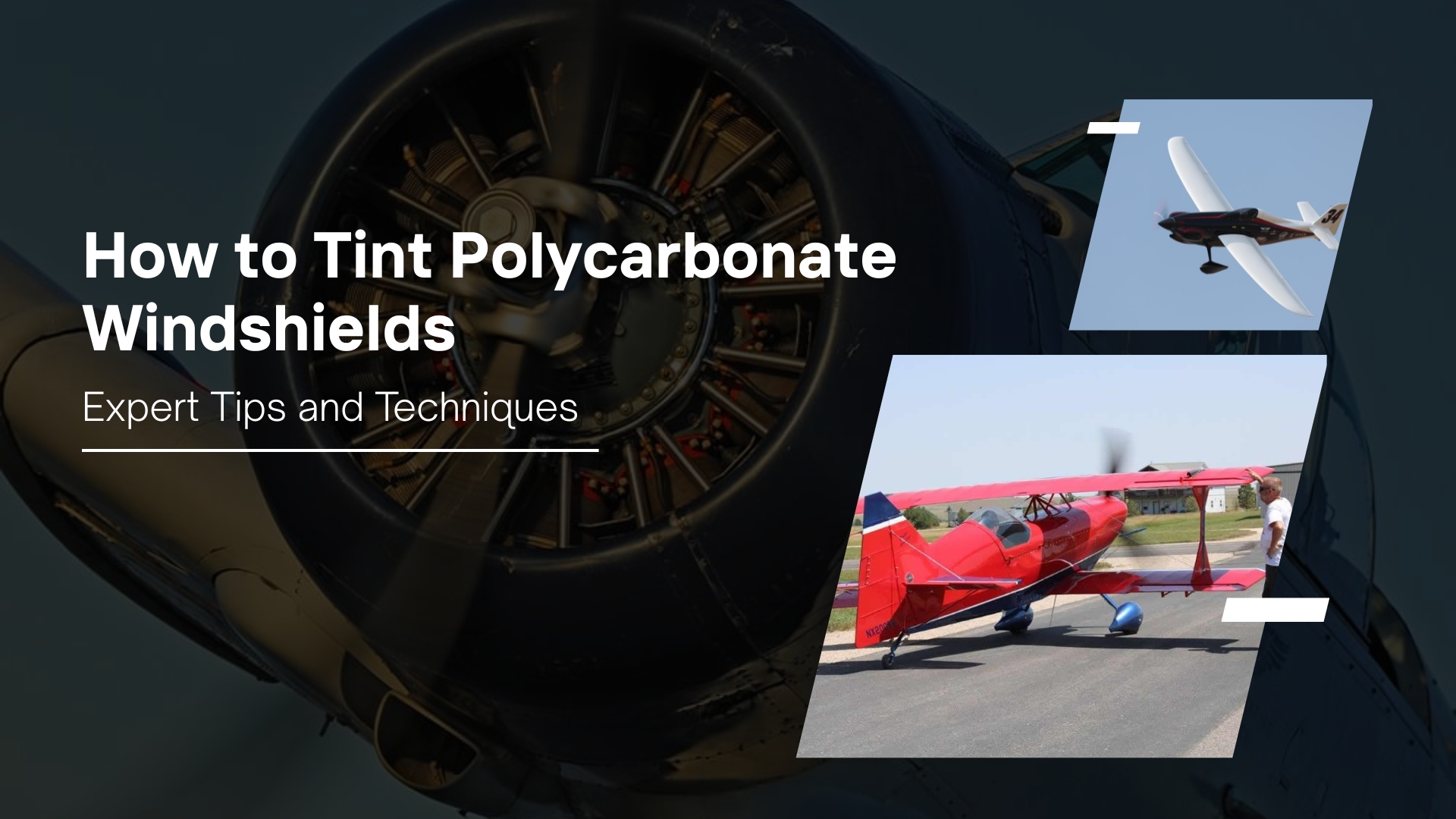
Polycarbonate is the preferred material for aircraft canopies, race vehicles, and high-performance windshields because of its exceptional impact resistance. But when it comes to tinting, the question of can you tint polycarbonate windshield surfaces is far more technical than applying standard automotive film.
Polycarbonate expands, contracts, and outgasses, behaviors that can cause ordinary adhesives to bubble, peel, or distort visibility.
To avoid compromised clarity or safety issues, only specialized films and precise installation techniques should be used. Below are the expert guidelines needed to achieve a clean, durable, and aviation-safe tint application.
Key Takeaways
Only use specialized "blister-free" window film designed specifically for plastic. Standard film fails on polycarbonate due to off-gassing and the material's high thermal expansion rate.
Never use ammonia-based cleaners or abrasive tools during preparation. Clean only with mild soap and soft, lint-free cloths to avoid scratching the hard coat or chemically damaging the polycarbonate.
While heat shrinking is necessary for contoured shapes, use a heat gun judiciously. Excessive heat can permanently warp the polycarbonate, causing irreparable optical distortion.
For critical aviation or high-performance applications, consult a custom fabricator. Integrating color into a specialized hard coat during the manufacturing or post-processing phase is the safest way to tint polycarbonate while maintaining structural integrity.
The Polycarbonate Challenge and Material Selection
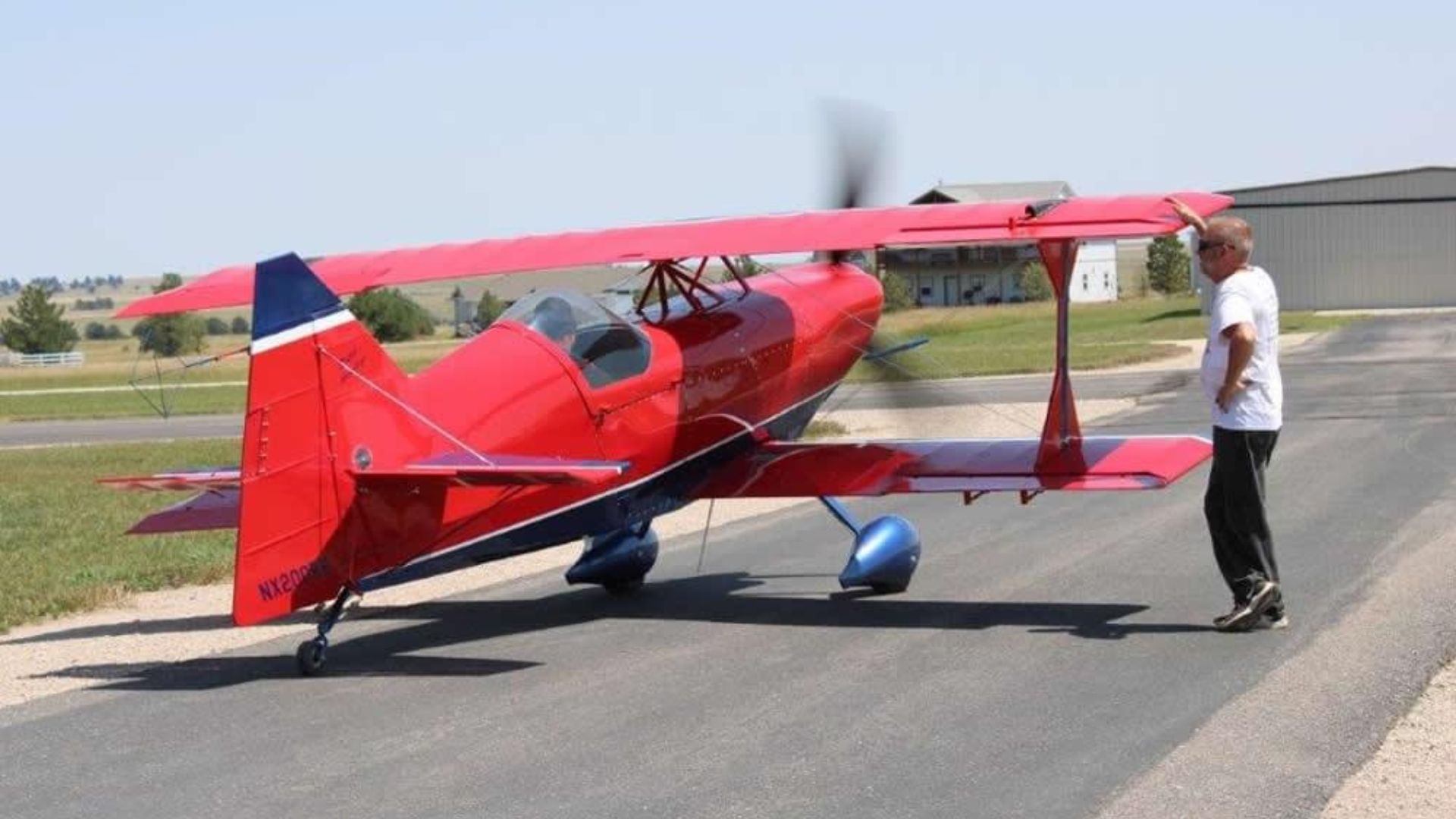
Successfully tinting a polycarbonate surface starts with understanding why standard film fails and choosing a product engineered for plastic.
1. Understanding Polycarbonate's Unique Properties
Polycarbonate is a thermoplastic with properties that make it hostile to conventional tint film.
Off-Gassing: Polycarbonate can release residual gases and volatile organic compounds (VOCs) over time, especially when exposed to heat. A standard film's adhesive can trap these gases, leading to blistering and bubbles.
Thermal Expansion: Polycarbonate expands and contracts at a different rate and magnitude than glass. Conventional tint film, designed for glass's stability, cannot accommodate this movement and will crack or peel quickly.
Adhesion Compromise: Standard adhesives can react with the polycarbonate, leading to a poor bond and discoloration of the film or the plastic itself.
2. Selecting Specialized "Blister-Free" Film
To address the challenges above, you must choose a film specifically formulated for use on plastic substrates.
Polycarbonate-Safe Adhesive: These specialized films use unique adhesives (often vinyl or acrylic-based) that are chemically inert and designed to allow the plastic to "breathe." This prevents the trapping of off-gassing vapors that cause blistering.
Flexibility: The film itself must be more flexible than standard polyester film to accommodate the higher thermal expansion rate of the polycarbonate without cracking or peeling.
Aviation-Grade Requirements: For aircraft applications, ensure the film is compatible with safety standards. It must not interfere with radio or navigation signals, as some metallic films might.
Once the correct film is selected, the application process requires specific preparation and installation techniques to ensure optical fidelity.
Preparation and Precision Application Techniques
The preparation of the polycarbonate surface is the most critical step, determining whether the tint achieves a professional, long-lasting bond.
1. Meticulous Surface Preparation
Polycarbonate is prone to scratching. Preparation must be thorough yet gentle to preserve the underlying hard coat.
Approved Cleaning Solutions: Only use mild soap (like baby shampoo or dish soap) and distilled water. Never use ammonia-based cleaners, as they can permanently damage the polycarbonate surface or react with the specialized hard coat applied during manufacturing.
Lint-Free Cleaning: Use soft, clean, lint-free microfiber cloths or cotton flannel. Do not use paper towels or squeegees with abrasive edges. Any embedded dust or debris will be magnified under the installed film.
Decontamination: For aviation or custom builds, ensure the surface is entirely free of waxes, sealants, or residual polishing compounds. These residues will prevent the specialized film adhesive from bonding correctly.
2. Pre-Cutting and Heat-Shrinking
Polycarbonate windshields are often highly complex, three-dimensional curves (especially in aircraft canopies), requiring careful film manipulation.
Template Creation: Cut the film roughly, leaving 2-3 inches of excess material around the perimeter. Pre-cut the film elsewhere if possible to avoid scoring the soft polycarbonate with a trimming blade on the surface.
Heat Shrinking: Unlike flat glass, highly contoured polycarbonate shapes require the film to be shrunk using a heat gun. This process is complex and must be done by gently applying heat across the surface until the film conforms perfectly to the curvature. Excessive or focused heat will damage the polycarbonate itself, causing warping or distortion.
For high-performance applications where custom shapes and flawless clarity are non-negotiable, pre-tinting or advanced thermoforming may be the only safe option.
Our expertise lies in custom thermoforming polycarbonate and acrylic, allowing us to potentially incorporate tinting techniques directly into the manufacturing or coating process for maximum longevity and compliance.
3. Wet Application and Curing
The "wet method" is essential for application, but the chemicals used must be compatible with the plastic.
Application Solution: Use a solution of water and a tiny amount of baby shampoo. This provides the necessary slip for positioning the film without introducing aggressive chemicals.
Squeegee Technique: Apply the film gently and use a soft, flexible squeegee. Start from the center and work outward, using firm, even pressure to remove the application solution. This prevents air bubbles and creases.
Curing Time: Polycarbonate requires a significantly longer curing time than glass. Allow a minimum of 72 hours and ideally up to a week, for the adhesive to fully bond and any remaining moisture or off-gassing to equalize. Do not clean the surface or subject it to extreme heat during this period.
Conclusion
Successfully tinting a polycarbonate windshield requires acknowledging the material's distinct properties and selecting highly specialized films and techniques. The question, can you tint polycarbonate windshield, is answered with a conditional yes: it requires "blister-free" films and extreme caution regarding heat and chemical contact.
By meticulously following surface preparation steps and allowing for an extended curing period, you can achieve a professional, durable finish.
However, for aircraft and high-stress environments where optical clarity and structural safety cannot be compromised, factory-applied coatings or pre-tinted materials often remain the superior, safest solution.
Need a custom solution for a high-performance, prototype, or legacy aircraft?
Our engineering team specializes in custom thermoforming and applying specialized hard coats to polycarbonate and acrylic. Contact us today to discuss professional color integration options for your windshield or canopy that ensure maximum safety and compliance.
Frequently Asked Questions (FAQs)
Q1. Why does standard window tint bubble and peel on polycarbonate surfaces?
Standard tint fails primarily due to polycarbonate's off-gassing property. The plastic releases residual vapors that become trapped by the film's adhesive, leading to the formation of bubbles and eventual separation or peeling.
Q2. Is it safe to use a standard heat gun to shrink film onto a polycarbonate windshield?
Use a heat gun with extreme caution. Polycarbonate has a lower thermal stability than glass and can easily warp or distort permanently if too much heat is applied, especially if concentrated in one area. This warping would destroy the optical clarity.
Q3. How long should I wait for a tinted polycarbonate windshield to cure?
Polycarbonate requires a minimum curing time of 72 hours before being exposed to significant temperature changes, washing, or heavy use. Ideally, allow up to a week for the specialized adhesive to fully set and for moisture to evaporate.
Q4. Can I use a traditional razor blade to trim the film on the polycarbonate surface?
It is strongly advised against trimming directly on the polycarbonate surface. Polycarbonate is much softer than glass, and a razor blade will easily score the material, damaging the hard coat and creating a permanent scratch in the windshield. Use pre-cut film or trim carefully off-site.
Q5. What is the alternative to film tinting for permanent color?
The most reliable and durable alternative is using polycarbonate that is color-tinted during the manufacturing process or applying a tinted hard coat after thermoforming. This method eliminates the risk of blistering, peeling, or adhesion failure associated with film.
Q6. Are there any restrictions on the darkness of tint for aircraft use?
Yes, aircraft must comply with strict FAA regulations regarding minimum light transmission to ensure pilot visibility. Tint must not interfere with the ability to see traffic, landmarks, or instruments. Always consult the aircraft's maintenance manual and FARs before tinting an aviation transparency.
Q7. What kind of soap should be used in the application solution for polycarbonate?
Use only a mild, non-detergent soap like baby shampoo in the application solution. Never use soaps containing degreasers, ammonia, or aggressive chemicals, as these can severely damage the polycarbonate's hard coat and structure.